

If you were hurt working in the commercial fishing industry, or you lost a loved one at sea, Yaquina Law can help. Yaquina Law assists injured fishermen, deckhands, processors, and their families after commercial fishing injuries. After an accident or injury on a commercial fishing boat, we stand ready to hold negligent vessel owners and employers accountable, and pursue the full compensation they’re owed.
Most people understand that commercial fishing is a dangerous job. Few people fully grasp the dangers of this industry, or the fatality rate, better than our local families here on the Oregon Coast. Newport is one of the busiest working fishing ports on the West Coast; the men and women who crab, troll, and trawl out of Yaquina Bay run the risk of slick and pitching decks, frigid water, and falls through open hatches.
When an injury or a death follows from an unsafe vessel or a careless employer, the legal team at Yaquina Law is here to provide legal protection. Our commercial fishing accident lawyers offer legal representation for all personal injury and wrongful death claims resulting from work on the open sea.
Why Choose Yaquina Law, Newport Fishing Accident Attorneys
Yaquina Law is a Newport, OR-based boutique law firm focused on personal injury. Led by founder and personal injury lawyer Adam Springer, we have years of experience recovering millions for our clients, along with a proven record of excellence and a compassionate, community-rooted approach to every case we take.
Maritime injury cases are not ordinary personal injury claims. They involve federal law, complex questions about vessel seaworthiness, and employers and insurers who know exactly how to limit what they pay. At Yaquina Law, we guide you through every stage of the process. When you hire our team, you can expect:
Thorough investigation
Maritime cases turn on evidence that can disappear with the next tide. Logbooks get revised, equipment gets repaired, and crew members scatter to other boats and other ports. We move quickly to preserve what matters: vessel maintenance and inspection records, Coast Guard reports, weather and bar-condition data, equipment histories, and statements from crewmates while the events are still fresh. We build a case that’s ready for negotiation or trial.
Compassionate support
We’re not here to treat you like a case number. Fishing families are the backbone of this community, and we understand what’s at stake when a breadwinner is hurt or doesn’t come home. Our job is to carry the legal load, explain your rights in plain language, and fight for the resources your family needs to recover and move forward.
Clear communication
The unknown is stressful, especially when you’re healing from a serious injury or grieving a loss. We keep you informed, return calls and messages, and make sure you understand what comes next. You’ll always know where your case stands, without being left in the dark.
Book a Free Consultation with a Newport, OR Fishing Accident Lawyer
How Dangerous Is Commercial Fishing in Newport, OR?
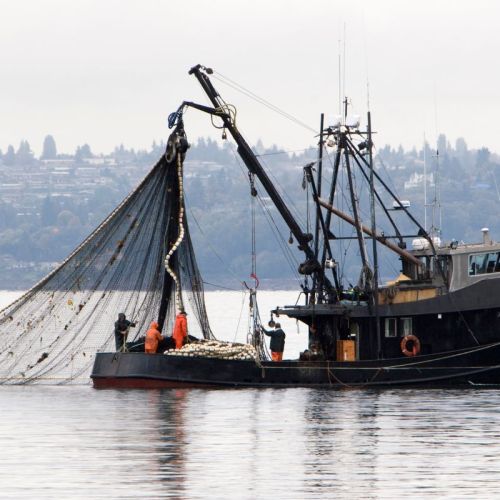
Commercial fishing is consistently ranked among the most dangerous occupations in the United States. According to the CDC’s National Institute for Occupational Safety and Health (NIOSH), commercial fishermen die on the job at a rate many times higher than the average American worker, with vessel disasters, falls overboard, and injuries from onboard gear and machinery among the leading causes.
Here on the central Oregon Coast, those dangers are not abstract. The Dungeness crab fishery that drives much of Newport’s winter economy is widely regarded as one of the most hazardous fisheries in the country, and Yaquina Bay is home to a memorial bearing the names of more than a hundred local fishermen lost at sea over the past century. When a captain, owner, or employer cuts corners on safety, the consequences on this coast can be catastrophic.
Common Fishing Industry Accidents on the Oregon Coast
Many injuries at sea are not simply “accidents.” They’re the foreseeable result of an unseaworthy vessel, poorly maintained equipment, inadequate training, unsafe staffing, or pressure to fish in conditions that should have kept the boat at the dock.
Below are some of the most common fishing industry accidents we see along the Oregon Coast.
Crossing the Yaquina Bay Bar
The bar where the Yaquina River meets the Pacific is considered one of the most treacherous on the Oregon Coast. When river current collides with ocean swell, especially as a storm builds, it can produce steep, breaking waves that have capsized fully loaded crab boats within sight of shore.
Decisions about when, whether, and how to cross the bar, and whether to request a Coast Guard escort, can mean the difference between life and death. When an operator pushes across in unsafe conditions, the results can be deadly.
Falls overboard
A fall overboard in cold Pacific water is among the leading causes of death in commercial fishing. Cold-water immersion can incapacitate a person in minutes. Missing or inadequate safety rails, the absence of personal flotation devices, slick decks, and a lack of man-overboard recovery procedures can turn a fall into a fatality.
Winch, line, and gear injuries
Crab pots, trawl nets, longlines, and the winches and blocks that move them place crew around heavy loads under enormous tension. Getting caught in a line, struck by a swinging pot, or pulled into deck machinery can cause amputations, crush injuries, broken bones, and traumatic brain injuries. Proper guarding, maintenance, and training prevent many of these incidents.
Slips, trips, and falls on deck
A constantly moving, wet, and often icy deck is an inherently hazardous workplace. Cluttered walkways, broken non-skid surfaces, and poor lighting contribute to serious falls that can leave crew with back, neck, and head injuries.
Vessel fires, flooding, and capsizing
Engine room fires, hull breaches, failed bilge pumps, and overloading can sink a vessel quickly. These disasters frequently trace back to deferred maintenance and unseaworthy conditions the owner should have addressed before leaving port.
Dock, processing, and shoreside injuries
Not everyone in the fishing industry works on the water. Workers at Newport’s docks, canneries, and seafood processing plants face their own hazards, including heavy machinery, repetitive strain, falls, and exposure to dangerous equipment. These shoreside workers are often protected under a different set of laws than crew members at sea.
Pressure to fish in unsafe conditions
When seasons are delayed or shortened, crews can feel pushed to run in marginal weather and cross dangerous bars to make up lost time. An employer’s decision to prioritize the catch over crew safety can be a central issue in a maritime injury claim.
Understanding Your Rights Under Maritime Law
If you were injured working on the water, your claim is likely governed by federal maritime law rather than ordinary Oregon personal injury rules. These laws are powerful, but they’re also complex, and the protections available to you depend on your role. An experienced attorney can help you identify which apply to your situation.
The Jones Act
The Jones Act allows a “seaman,” generally a crew member who spends a significant part of their work aboard a vessel in navigation, to sue their employer for injuries caused by the employer’s negligence. The Jones Act is notably favorable to injured workers: a seaman only needs to show that the employer’s negligence played some part, even a slight one, in causing the injury.
Maintenance and Cure
Regardless of who was at fault, a seaman injured or taken ill in the service of a vessel is generally entitled to “maintenance and cure.” Maintenance is a daily allowance to cover living expenses while you recover; cure covers reasonable medical treatment until you reach maximum medical improvement. These are benefits your employer owes you, and they shouldn’t be delayed or denied.
Unseaworthiness
Under general maritime law, a vessel owner has a duty to provide a seaworthy vessel: one that is reasonably fit for its intended use, with proper equipment, adequate safety gear, and a competent crew. When an unsafe condition aboard the vessel causes injury, the owner can be held liable, separately from any Jones Act negligence claim.
Protections for Shoreside Maritime Workers
Dock workers, longshoremen, and many seafood processing employees who don’t qualify as “seamen” may instead be covered by the federal Longshore and Harbor Workers’ Compensation Act (LHWCA). Determining which law applies to you is one of the first and most important steps in a maritime injury case.
A Loved One is Lost at Sea
Families who lose a loved one in a fishing accident may have a claim under the Jones Act, general maritime law, or the Death on the High Seas Act (DOHSA), which can apply when a death occurs beyond three nautical miles from shore. We approach all wrongful death cases with the care and respect grieving families deserve.
Newport, OR Fishing Accident Lawyers: Frequently Asked Questions
Yaquina Law handles these cases on a contingency-fee basis. That means there’s no fee unless we recover compensation for you. You get a free, no-obligation case review, there are no upfront costs, and you don’t pay us a penny unless and until we successfully resolve your case.
Once you become a client, our team gets to work right away: investigating the incident, securing evidence before it disappears, gathering your medical records, and building a demand for the compensation you’re owed. To see what to expect at each stage, from your initial interview through settlement or trial, take a look at our overview of the typical personal injury case process.
If you can, report the injury to your captain or supervisor and make sure it’s documented in the vessel’s records. Get medical attention promptly, even if the injury seems minor at first. Gather the names and contact information of crewmates who witnessed what happened, and photograph the equipment or conditions involved if it’s safe to do so. Then, contact an attorney before giving a recorded statement to your employer or its insurer.
The statute of limitations for most general maritime injury claims is three years from the date of the injury, which is longer than Oregon’s standard two-year personal injury deadline. Claims involving government-owned or government-operated vessels can carry much shorter deadlines and special notice requirements, however; because evidence at sea disappears quickly, it’s best to speak with an attorney as soon as possible.
Seaman status generally depends on whether your job contributes to the function of a vessel (or fleet) in navigation and whether you spend a substantial part of your working time aboard it, often described as roughly 30% or more. Captains, deckhands, engineers, and crew on crab, trawl, troll, and other commercial fishing vessels frequently qualify.
Because status can be disputed and directly affects which laws protect you, it’s worth reviewing your specific situation with an attorney. Call Yaquina Law at (541) 272-5500 to review your case.
Maritime law is more forgiving on this point than ordinary Oregon injury law. Jones Act and general maritime claims follow a pure comparative negligence rule, which means you can still recover even if you were largely at fault. However, your compensation is simply reduced by your percentage of fault; employers often try to pin the blame on the injured worker, so having an advocate matters. We strongly recommend contacting a fishing accident attorney if you believe you share liability.
If you’ve been injured in the fishing industry, or your family has lost someone at sea because of an unsafe vessel or a negligent employer, you don’t have to face this alone. Call Yaquina Law today at (541) 272-5500 to speak with an attorney who understands the Oregon Coast, and the laws that protect the people who fish it.